The Ultimate Guide to Concrete Staining
Concrete floors don't have to be boring. With a little bit of stain, you can turn that drab grey slab into something that looks like polished stone or rich leather. This guide walks you through everything you need to know... from picking the right stuff to not messing it up.

What is Concrete Stain Anyway?
First things first, concrete stain is not paint. Paint sits on top of the concrete, forming a solid-colored film that can chip and peel. Stain, on the other hand, soaks into the concrete and becomes a permanent part of it. 1
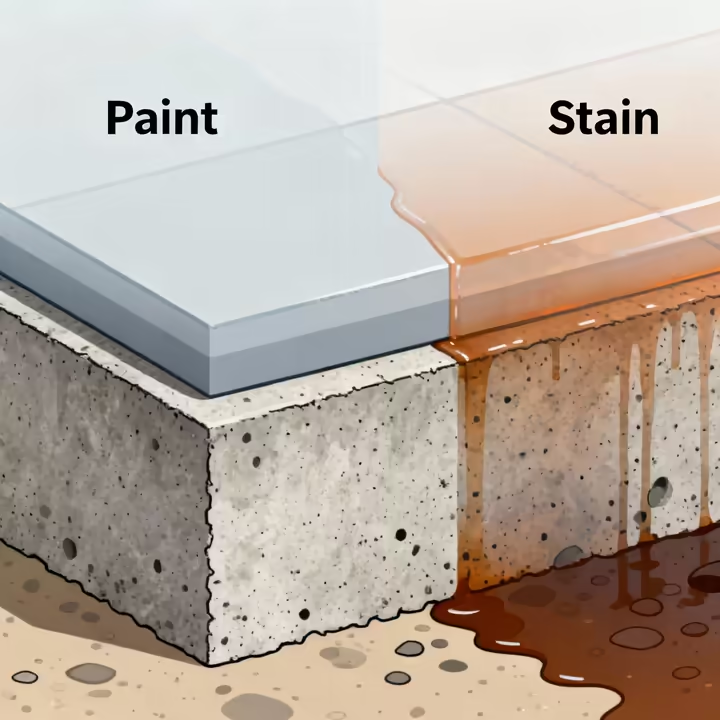
It gives the surface a rich, translucent color that enhances the concrete's natural texture and variations. 1 You can use it to turn a boring basement into a cool living space, or make a plain patio look like an expensive custom job. 3 Because it works with the concrete's existing surface, including its little flaws, no two stained floors ever look exactly the same. 5
Should You Bother Staining Your Concrete?
Before you jump in, it's worth asking if staining is a good idea for your project. There are some great benefits, but also a few challenges to think about.
The Good Stuff
Stained concrete is tough... really tough. When it's properly sealed, it resists wear and tear, making it great for high-traffic areas like kitchens and entryways. 6 A well-maintained floor can easily last 20 to 30 years. 6
You can get a high-end look that mimics expensive materials like marble or natural stone for way less money. 4 Plus, it's easy to clean, usually just needing a regular sweep and an occasional damp mop. 6 It’s also a sustainable choice, since you’re just improving the concrete floor you already have instead of adding new materials. 6

The Not-So-Good Stuff
Concrete stain is permanent. Like, tattoo permanent. If you make a mistake during the application, it's extremely difficult, and often impossible, to fix. 7
The stain is translucent, so it will highlight any existing cracks, patches, or blemishes in the concrete instead of covering them up. 8 And remember, it's still concrete, so it's a very hard surface that can feel cold under your feet. 6 A high-gloss sealer can also get pretty slippery when wet, which is something to consider. 6
Picking Your Poison: Types of Stains
The term "concrete stain" usually refers to two main types: acid-based and water-based. There are also concrete dyes, which are a bit different. Knowing how each one works will help you pick the right one for your job.
Acid-Based (Reactive) Stains
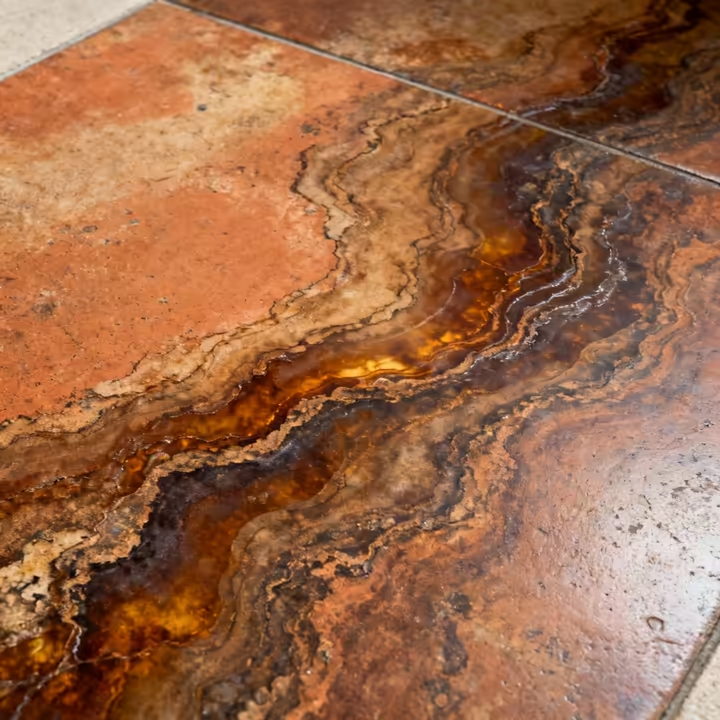
This stuff is pretty wild. Acid stains are a solution of metallic salts (like iron or copper) mixed with mild acid and water. 10 When you put it on concrete, the acid opens up the surface pores, letting the salts sink in and react chemically with the lime in the concrete. 5 This reaction permanently etches color into the surface, so it won’t chip, fade, or peel. 13
The result is a mottled, marbled, and translucent finish that looks a lot like natural stone. 1 The final color is unpredictable because it depends on the specific concrete slab, meaning every acid-stained floor is totally unique. 5 Your color choices are limited to earthy tones like tans, browns, terra cottas, and some soft blue-greens. 3
Water-Based (Non-Reactive) Stains
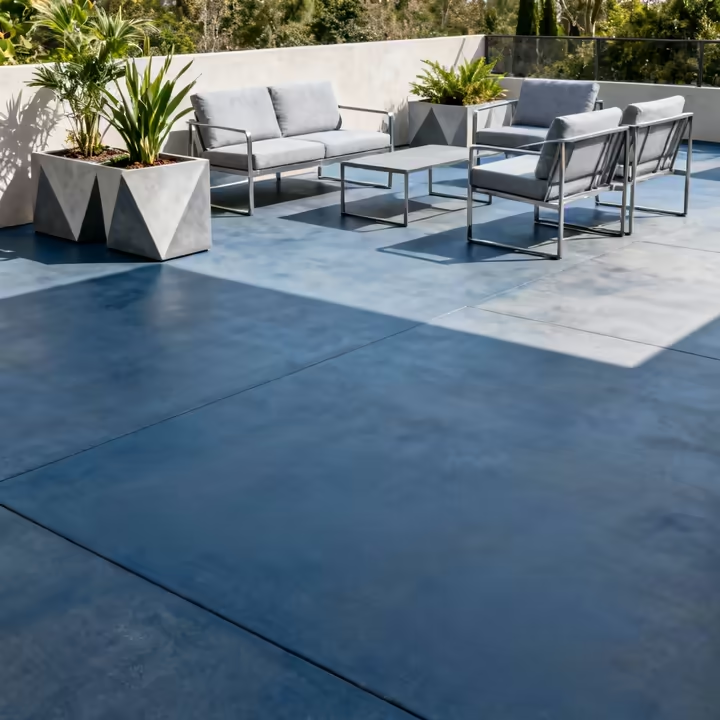
No chemical reaction here. These stains are made of very fine pigments mixed with acrylic polymers in a water solution. 4 They work by soaking into the concrete's open pores, and as the water evaporates, the pigments get locked in by the acrylic binder. 4 This is why a clean, porous surface is absolutely essential, otherwise, the stain can't stick. 11
Water-based stains give you a much more uniform and predictable color than acid stains. 4 Their biggest advantage is the huge color selection, you can find everything from earth tones to bright, vibrant colors. 15 They’re also more user-friendly, with low odors (VOCs) and an easier cleanup process than acid stains. 13
A Quick Word on Dyes
Dyes are different from stains because their pigment particles are microscopic and dissolved in a solvent (usually acetone or water). 18 These tiny particles soak into the concrete super deep and super-fast, saturating it with color almost instantly. 18 They are non-reactive and create the most vibrant, intense colors you can get. 15
But there's a catch. Most dyes aren't UV stable, which means their color will fade over time if exposed to sunlight. This makes them best suited for indoor projects, especially those that will be polished. 18
| Characteristic | Acid-Based Stain | Water-Based Stain | Concrete Dye |
|---|---|---|---|
| Mechanism | Chemical reaction with concrete's lime. | Polymer-bonded pigment penetrates pores. | Ultra-fine particles saturate pores. |
| Final Appearance | Variegated, mottled, translucent, stone-like. | More uniform, opaque, consistent color. | Vibrant, uniform or translucent, can be layered. |
| Color Palette | Limited, earthy tones (browns, tans, blue-greens). | Very wide, including bright and vibrant colors. | Widest range, very vibrant colors. |
| DIY-Friendliness | More complex; requires neutralization, outcome is unpredictable. | Easier; more forgiving application, predictable color. | Fast-acting, little room for error during application. |
| Key Consideration | The result is unique to every slab; requires extensive cleanup. | Requires a porous surface for proper penetration. | Not UV stable; primarily for indoor use. |
| Best Use | Interior/Exterior projects seeking a natural, rustic aesthetic. | Interior/Exterior projects needing specific colors or a uniform look. | Interior floors, especially in conjunction with polishing. |
How To Actually Do It
Getting a great-looking stained concrete floor is a step-by-step process. If you mess up one step, you'll mess up the whole project. Here's a walkthrough of the four main phases.
Prep Work: Don't Skip This!
This is the most important (and most boring) part of the job. Your final result is completely dependent on how well you prepare the surface. The goal is to get the concrete perfectly clean and porous enough to absorb the stain.
First, get it clean. I mean, spotless. You have to remove every bit of dirt, grease, oil, old paint, or existing sealer. 22 You'll likely need a concrete degreaser for tough spots and maybe even a chemical stripper or grinder to get rid of old coatings. 23 You can patch major cracks at this stage, but be aware that patched areas will absorb stain differently and will be visible. 27
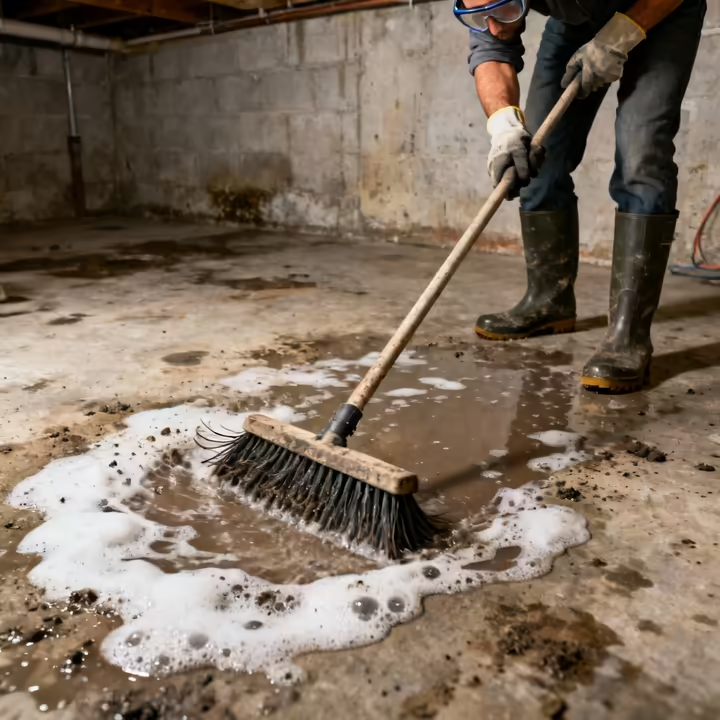
Next, you need to open up the concrete's pores, a process called "profiling." The easiest way for a DIYer to do this is with a chemical concrete etcher. 26 This stuff is no joke, so always wear proper safety gear, gloves, goggles, and protective clothing, and make sure the area is well-ventilated. 29 After etching, rinse the floor thoroughly to remove all the chemical residue. 22
To see if you're ready, do a simple water test. Sprinkle some water on a few spots of the dry floor. If it soaks in within a few minutes, you're good to go, if it beads up on the surface, the concrete isn't porous enough and you need to repeat the profiling step. 26
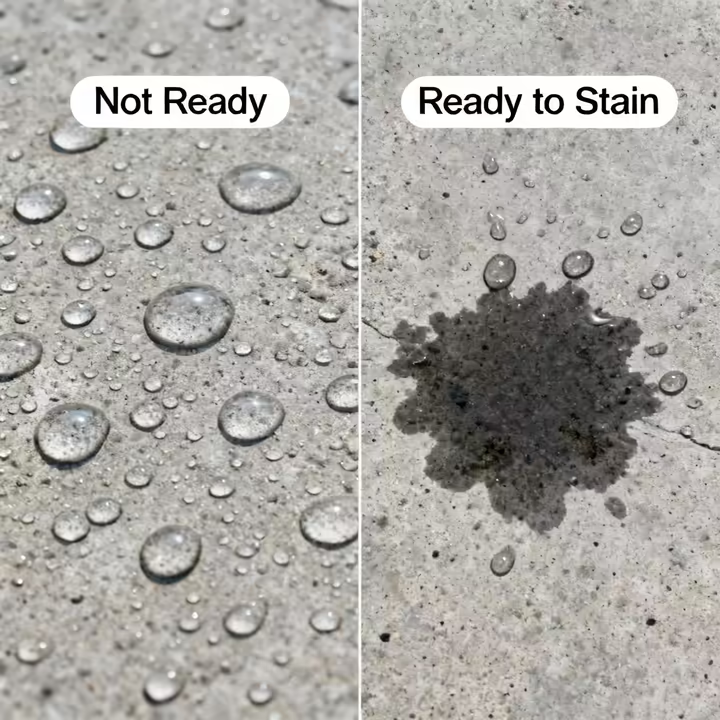
Applying the Stain
Once the floor is clean, profiled, and totally dry, it's time for the fun part. Tape off any walls, baseboards, or other surfaces you don't want stained. 31 The best tool for the job is usually an all-plastic pump-up garden sprayer, metal parts will corrode from the stain. 22
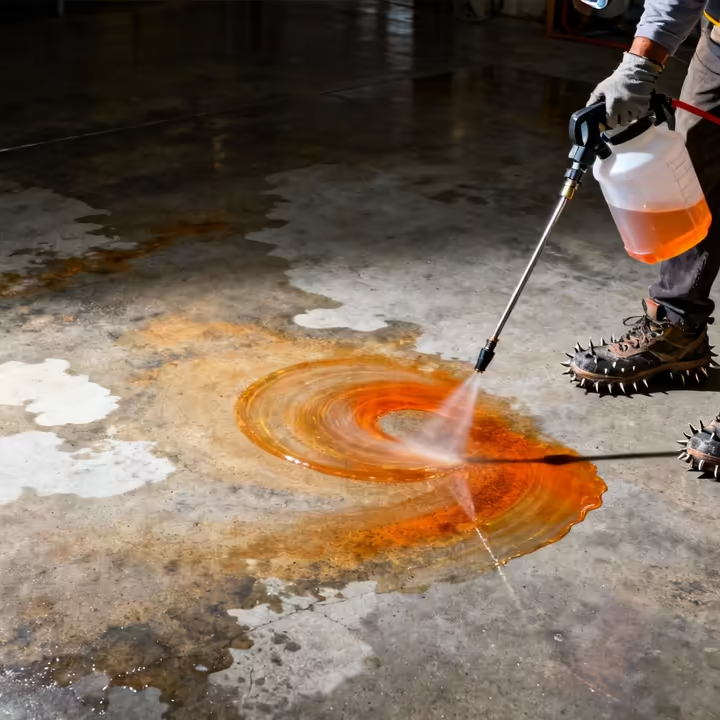
For acid stains, lightly mist the concrete with water just before you start (damp, no puddles). 30 Spray the stain in random, overlapping patterns, like figure-eights, to get a natural look. 39 Then, leave it alone for four to eight hours (or even overnight) to let the chemical reaction happen. 11
For water-based stains, work in manageable sections and maintain a "wet edge," overlapping each new pass with the last one while it's still wet to avoid ugly lines. 27 You can apply multiple thin coats to build up the color to the richness you want. 16
Neutralizing: The Acid Stain Hangover
This step is ONLY for acid stains, but it's critical. After the reaction, the acid leaves a powdery residue on the surface and the concrete remains acidic. 11 You have to neutralize this acid, or it will attack the sealer you apply next and cause it to peel right off. 5
To neutralize, wash the entire floor with a basic solution like baking soda and water or ammonia and water. 30 You might see some fizzing as the solution works. 42 Scrub the surface with a stiff, non-metallic brush to loosen all the residue. 11
After scrubbing, rinse the floor again and again with clean water until it runs clear. A wet-dry vacuum is a huge help here for sucking up the dirty water. 22 Once the floor is dry, wipe it with a white cloth, if the cloth comes up clean, you're ready to seal. 22
Sealing: Protect Your Masterpiece
Sealing is the final, non-negotiable step. The sealer protects your new floor from traffic, moisture, and spills. 45 It also makes the colors pop, adding depth and sheen for that finished "wet look." 13
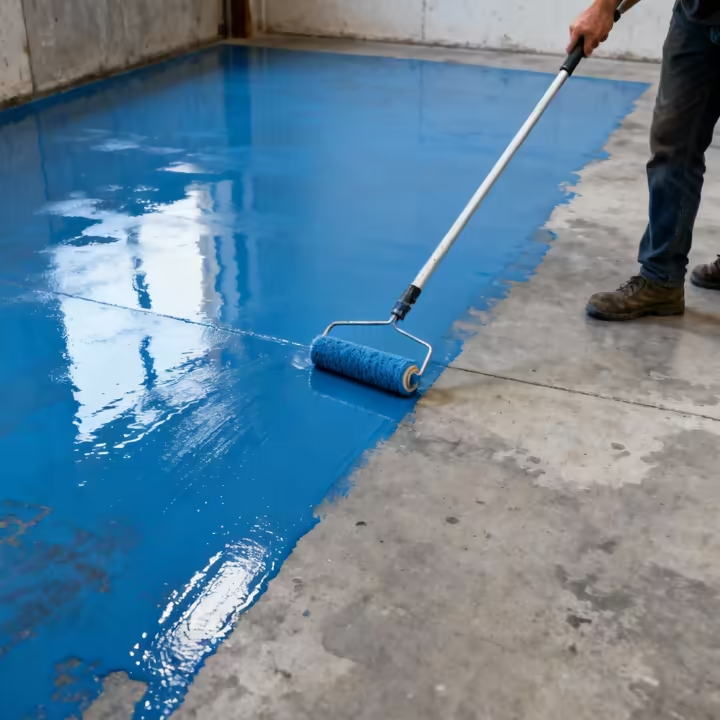
There are three main types of sealers:
- Acrylic Sealers: Great for DIYers. They're affordable, easy to apply, and "breathable," which makes them the best choice for outdoor patios. 46 The downside is they're less durable and need to be reapplied every 1-3 years. 46
- Epoxy Sealers: These are two-part systems that create a very hard, thick coating. They're amazing for garages or basements but will turn yellow in sunlight, so keep them indoors. 45 They also aren't breathable, so they can trap moisture. 49
- Polyurethane Sealers: This is the top-of-the-line stuff. They offer the best resistance to scratches and chemicals and are UV stable, so you can use them indoors or out. 54 They're often used as a topcoat over epoxy for a super-durable system. 49
You'll also choose between solvent-based and water-based formulas. Solvent-based gives a glossier look but has strong, flammable fumes. 57 Water-based has low odor and easy cleanup, making it much safer for interior jobs. 58
Finally, pick a finish. A high-gloss finish reflects the most light but can be slippery and show imperfections. 59 A matte or satin finish is more subtle, less slippery, and more forgiving of flaws. 59 For areas like kitchens or patios, you can mix an anti-slip additive into the final coat of sealer for extra safety. 61
Where Can You Use This Stuff?
The basic process for staining is the same everywhere, but you need to choose the right products for the location. Think about what your floor will have to put up with, UV rays, moisture, heavy traffic, and pick a system that can handle it.
Interior Floors (Basements, Kitchens)
Basements are perfect for staining, but you have to check for moisture first. Tape a 2x2 foot plastic square to the floor for 48 hours. 23 If you see condensation under the plastic when you pull it up, you have a moisture problem that needs to be fixed before you can stain and seal. 28 For any indoor project, use low-VOC water-based products to keep the fumes down. 32
In kitchens, stained concrete is durable but very hard, it won't be kind to dropped glasses or your feet if you stand for a long time. 6 A gloss finish can also be slippery, so consider a matte finish or an anti-slip additive. 6 You’ll also want a tough sealer, like an epoxy or polyurethane, that can resist stains from things like wine, oil, and vinegar. 8
Patios and Walkways
When you move outdoors, the main enemies are sun and weather. 63 You must use a stain and sealer that are both UV-stable to keep the color from fading. 1 Your sealer also needs to be "breathable" to let moisture from the ground escape. 46
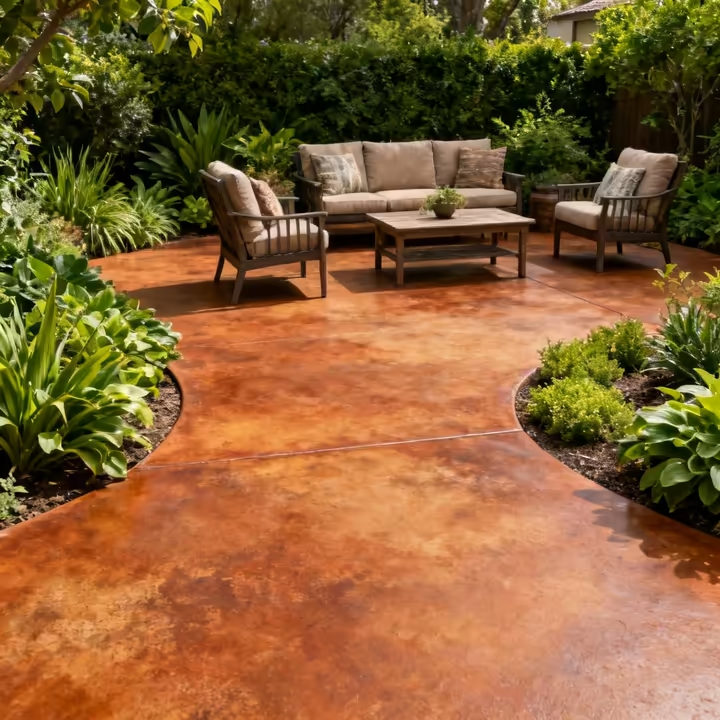
If you use a non-breathable sealer like most epoxies, it will trap moisture and eventually bubble up and peel off. 57 Acrylic sealers are usually the best choice for outdoors because they offer good protection and breathability. 46 And just like in the kitchen, slip resistance is a big deal, especially around a pool, so use an anti-slip additive. 61
Driveways
A driveway is the toughest environment for a stained finish. It has to deal with sun, weather, vehicle weight, and chemicals like gas and oil. 22 The biggest problem is "hot tire pickup," where hot tires from your car can soften a cheap sealer and pull it right off the concrete when you drive away. 62
A standard acrylic sealer won't cut it here. To stain a driveway properly, you need a high-performance system. This usually means a durable epoxy primer coat followed by a tough, UV-stable polyurethane topcoat to stand up to the abuse. 62
Keeping It Looking Good
So, how long does it last? The stain itself, especially acid stain, is permanent because it becomes part of the concrete. 5 But the overall appearance and protection of your floor depend entirely on the sealer you put on top. 63 The sealer is a sacrificial layer that takes all the abuse, so the lifespan of your floor is really the lifespan of the sealer. 6
Maintaining it is pretty simple. Sweep or dust mop often with a microfiber pad to get rid of grit that can scratch the finish. 72 For deeper cleaning, use a damp mop with water and a pH-neutral cleaner, avoid harsh chemicals like bleach or vinegar, which can damage the sealer. 74 Place felt pads under furniture legs and use mats at doorways to trap dirt. 7
Eventually, you'll need to reapply the sealer, typically every 2 to 5 years depending on traffic. 63 For outdoor surfaces, there's an easy way to tell when it's time: if water stops beading up on the surface and starts soaking in, you need to reseal. 46 Take care of the sealer, and your stained concrete floor will look great for decades.
So, Should You Do It?
Concrete staining is a killer DIY project. It takes a lot of prep work and patience, but the result is a one-of-a-kind floor that's tough and looks fantastic. Just remember the big three: prepare the surface obsessively, pick the right products, and be safe. Now go turn that boring concrete into something awesome.
Works cited
- What is Concrete Stain and Which Are the Best? - Onfloor - Onfloor, https://blog.onfloor.com/best-concrete-stain
- Paint vs. Stain Concrete? : r/HomeImprovement - Reddit, https://www.reddit.com/r/HomeImprovement/comments/2949ue/paint_vs_stain_concrete/
- What Is Stained Concrete? | Dynamic Concrete Pumping, https://www.dcpu1.com/blog/what-is-stained-concrete/
- Concrete Staining: A Fully Comprehensive Guide - Neil Sullivan ..., https://www.neilsullivanandsons.co.uk/help-advice/concrete-staining-a-fully-comprehensive-guide/
- Stained Concrete: Pros and Cons | Solomon Colors, https://www.solomoncolors.com/blog/stained-concrete/pros-and-cons.html
- Pros And Cons Of Stained Concrete - Paradigm Concrete Finishes, https://paradigmconcretefl.com/pros-and-cons-of-stained-concrete/
- The pros and cons of stained concrete flooring for homes, https://www.oxfloors.com/posts/the-pros-and-cons-of-stained-concrete-flooring-for-homes-2
- Pros and Cons of Staining Concrete - CPC Floor Coatings, https://info.cpcfloorcoatings.com/pros-and-cons-of-staining-concrete
- The Homeowner's Guide to Stained Concrete: Pros and Cons - Tilson Homes, https://www.tilsonhomes.com/blog/the-homeowners-guide-to-stained-concrete-pros-and-cons/
- www.dcpu1.com, https://www.dcpu1.com/blog/what-is-stained-concrete/#:~:text=Stains%20designed%20for%20concrete%20fall,hydroxide%20to%20form%20a%20bond.
- 7 Questions on Staining Concrete - Acid based Stains vs Water Based Stains, https://www.forconstructionpros.com/concrete/decorative/colors-stains/article/21219385/7-questions-on-staining-concrete-acid-based-stains-vs-water-based-stains
- Acid or Water-based Stains to Color Concrete are a Matter of Personal Preference, https://www.concretedecor.net/departments/staining-coloring/use-of-acid-and-water-based-stains-on-concrete/
- Pros and Cons of Stained & Sealed Concrete, https://coverconcrete.com/2021/11/pros-and-cons-of-stained-sealed-concrete/
- Water Based Concrete Stain vs. Acid Stain | Brad the Painter, https://www.bradthepainter.com/water-based-concrete-stain-vs-acid-stain/
- The Benefits of Water-Based Concrete Stains | Super-Krete Blog, https://www.super-krete.com/blog-the-benefits-of-water-based-concrete-stains
- How and Why Water-Based Concrete Stains Work - Duraamen, https://duraamen.com/blog/how-and-why-water-based-concrete-stains-work/
- www.super-krete.com, https://www.super-krete.com/blog-the-benefits-of-water-based-concrete-stains#:~:text=Vibrancy%20can%20be%20achieved%20with,of%20the%20reaction%20that%20occurs.
- Concrete Dye vs. Stain: What's the Difference? - Concrete Network, https://www.concretenetwork.com/fix-concrete-color/dyes-vs-stains.html
- Understanding the differences between concrete stain and dye - Bartell Global Content Hub, https://blog.bartellglobal.com/understanding-the-differences-between-concrete-stain-and-dye
- Concrete Stain Vs. Dye: What's The Better Choice?, https://paradigmconcretefl.com/concrete-stain-vs-dye-which-is-better/
- What is the difference between Concrete Stains and Dyes - Duraamen, https://duraamen.com/blog/concrete-stains-and-dyes/
- How to Stain Concrete Floors and Patios - The Home Depot, https://www.homedepot.com/c/ah/how-to-stain-concrete/9ba683603be9fa5395fab9015a2889f
- How to Stain Concrete Basement Floor: DIY Guide - Direct Colors, https://directcolors.com/diy/how-to-stain-concrete-basement-floors/
- directcolors.com, https://directcolors.com/diy/concrete-surface-preparation/#:~:text=Degreasing%3A%20Apply%20a%20concrete%20degreaser,%2C%20degreaser%2C%20and%20loosened%20sealer.
- How to Prep Concrete for Stain - Surface Preparation Tips, https://www.concretenetwork.com/products-stains/surface-preparation.html
- How-to Prep Uncoated and Coated Concrete - Behr, https://www.behr.com/consumer/how-to/floor-coating/how-to-prep-concrete
- Staining A Concrete Floor Is Easy, Just Follow Our Step By Step Tutorial, https://www.younghouselove.com/how-to-stain-a-concrete-floor/
- A Guide to Stained Concrete Basement Floors, https://www.concretecamouflage.com/stained_concrete_basement_floor.cfm
- How to Acid Stain a Concrete Floor | Concrete Floor Supply, https://www.concretefloorsupply.com/how-to-acid-stain-a-concrete-floor/
- How to Acid Stain a Concrete Floor - Plank and Pillow, https://plankandpillow.com/how-to-acid-stain-a-concrete-floor/
- Safety Tips When Working With Concrete Stain, https://www.concretecamouflage.com/safety-tips-when-working-with-concrete-stain.cfm
- Acid Stain Application Precautions - Stained Concrete, https://www.concretestained.com/diy/precautions.html
- Protecting Yourself When Working with Acid Stain - Concrete Decor Magazine, https://www.concretedecor.net/departments/staining-coloring/protecting-yourself-when-working-with-acid-stain/
- How do you prep and stain concrete floors? : r/DIY - Reddit, https://www.reddit.com/r/DIY/comments/3ej0v7/how_do_you_prep_and_stain_concrete_floors/
- How To Stain Concrete Floors | Easy Diy Method - YouTube, https://www.youtube.com/watch?v=ailuZiIxLZI
- Water Based Concrete Stain | ColorWave® - Direct Colors, https://directcolors.com/colorwave-concrete-stain
- How to Acid Stain Concrete - DIY Projects With Pete, https://www.diypete.com/how-to-acid-stain-concrete/
- How to Stain Concrete Floors to Get an Awesome Finished Basement on the Cheap, https://www.thedad.com/how-to-stain-concrete-floors/
- How to Acid Stain Concrete Floors | Xtreme Polishing Systems Blog, https://xtremepolishingsystems.com/blogs/decorative-concrete-and-epoxy-blog/how-to-acid-stain-a-concrete-floor
- The Ultimate Guide to Staining a Basement Floor - Semigloss Design, https://www.semiglossdesign.com/the-ultimate-guide-to-staining-a-basement-floor
- Neutralizing and rinsing concrete acid stain, https://www.concretecamouflage.com/neutralizing_concrete_stain.cfm
- www.graniterock.com, https://www.graniterock.com/tutorials-key/acid_stains#:~:text=Neutralizing%20the%20Stain&text=A%20solution%20of%20baking%20soda,applied%20until%20it%20stops%20fizzing.
- How-To Tutorials: How to Apply Acid Stain to Concrete - Graniterock, https://www.graniterock.com/tutorials-key/acid_stains
- Neutralizing concrete floor after cleaning cream with muriatic acid, https://diy.stackexchange.com/questions/176152/neutralizing-concrete-floor-after-cleaning-cream-with-muriatic-acid
- How to Protect Your Stained Concrete Floors? | Duraamen, https://duraamen.com/blog/how-protect-your-stained-concrete-floors/
- Sealing Stained Concrete, https://www.concretenetwork.com/stained-concrete/applying_sealer.htm
- Do I Have to Seal Stained Concrete? An Expert Guide to Preserving Your Floors, https://mattthedrivewayguy.com/do-i-have-to-seal-stained-concrete/
- Do I Have To Seal Stained Concrete?, https://www.concretecamouflage.com/do_i_have_to_seal_stained_concrete.cfm
- 4 Types of Concrete Sealers - Penetrating, Acrylic, Polyurethane or ..., https://www.concretenetwork.com/products-sealer/comparison.html
- What is the Longevity of Sealed Concrete? - CustomCrete, https://customcrete.net/blog/what-is-the-longevity-of-sealed-concrete
- How to Choose The Right Concrete Sealer - SureCrete, https://surecretedesign.com/how-choose-right-concrete-sealer/
- What are the differences between acrylic, epoxy and polyurethane ..., https://news.allcongroup.com.au/differences-acrylic-epoxy-polyurethane-concrete-sealers
- 8 Types of Concrete Sealers for Long-Term Durability - Prosoco, https://prosoco.com/types-of-concrete-sealers/
- Concrete Sealing Types and Methods | Step-by-step instructions, https://www.a1concrete.com/concrete-repair-learning-center/concrete-sealing-types-methods
- Why Aliphatic Polyurethane Sealers are better than acrylic or epoxy ..., https://duraamen.com/blog/polyurethane-sealers-basic-guide/
- How To Determine the Type of Acrylic Sealer Your Concrete Is Currently Sealed With, https://www.foundationarmor.com/how-to-determine-the-type-of-acrylic-sealer-your-concrete-is-currently-sealed-with/
- Water Based Concrete Sealer vs Solvent Based, https://www.concretecamouflage.com/water_based_concrete_sealer.cfm
- 5 Reasons Why You Should Use A Water Based Concrete Sealer, https://www.consumersbuilderssupply.com/index.php/2019/07/25/5-reasons-why-you-should-use-a-water-based-concrete-sealer/
- Matte vs. Glossy Sealers: Which One is Right for Your Outdoor ..., https://waypointsealants.com/matte-vs-glossy-sealers-which-one-is-right-for-your-outdoor-surfaces/
- Glossy Concrete Floors vs Matte Finish, https://www.concrete-floors.org/matte-vs-high-gloss.html
- How to Stain Concrete Patios | Sherwin-Williams, https://www.sherwin-williams.com/en-us/project-center/stain/how-to-stain-concrete-patios
- Best Sealer for Hot Tire Pickup > Articles > Ghostshield®, https://ghostshield.com/articles/best-sealer-for-hot-tire-pickup
- How Long Does Concrete Stain Last? Durability & Maintenance Tips ..., https://www.artisanstn.com/concrete-restoration-tips/how-long-does-concrete-stain-last-durability-and-maintenance-tips
- How to Stain Concrete Slabs: The Ultimate Guide - Patio Productions, https://www.patioproductions.com/blog/how-to/stain-concrete-slabs-home-diy-projects/
- Concrete Dyes and Stains - Direct Colors, https://directcolors.com/colorants/
- Stained Concrete Driveways - The Ultimate Guide | SUNDEK, https://www.sundek.com/concrete-resurfacing/driveways/stained.html
- Stained Concrete Driveways - Pros & Cons, How to & Colors, https://www.concretenetwork.com/concrete/concrete_driveways/stained.html
- Stained Concrete Durability, https://www.concretestained.com/planning/durability.html
- How Long Does Stained Concrete Last? And More FAQs - Concrete ..., https://www.concretenetwork.com/stained-concrete/faq.html
- cesarsconcrete.com, https://cesarsconcrete.com/blog/how-long-does-concrete-stain-last/#:~:text=You%20can%20use%20acid%20stains,for%205%20to%2020%20years.
- How Long Does Concrete Stain Last? Durability Guide - Floor Doctor Tx, https://floordoctortx.com/how-long-does-concrete-stain-last/
- How to Clean Stained Concrete | Concrete Cleaning, https://www.nitterhousemasonry.com/blog/cleaning-stained-concrete/
- Polished Concrete Floor Maintenance Guide, https://www.craftsmanconcretefloors.com/how-to-maintain-polished-concrete-floors/
- How Do I Maintain A Stained and Sealed Concrete Floor ..., https://concreteperceptions.com/how-to-maintain-a-stained-and-sealed-concrete-floor/
- Polished Concrete Maintenance Guide - Runyon Surface Prep, https://www.runyonsurfaceprep.com/wp-content/uploads/2018/11/RSP-Polished-Concrete-Maintenance-Guide-V3-2017.pdf
- How to Clean a Stained Concrete Floor | Triad Service Solutions, https://triadservicesolutions.com/how-to-clean-a-stained-concrete-floor/
- How to Maintain Newly Stained Concrete Floors - Yavapai County Contractors Association, https://ycca.org/How-to-Maintain-Newly-Stained-Concrete-Floors/
- How Often Should You Reseal Your Concrete? - Increte of Houston, https://increteofhouston.com/how-often-should-you-reseal-your-concrete/